


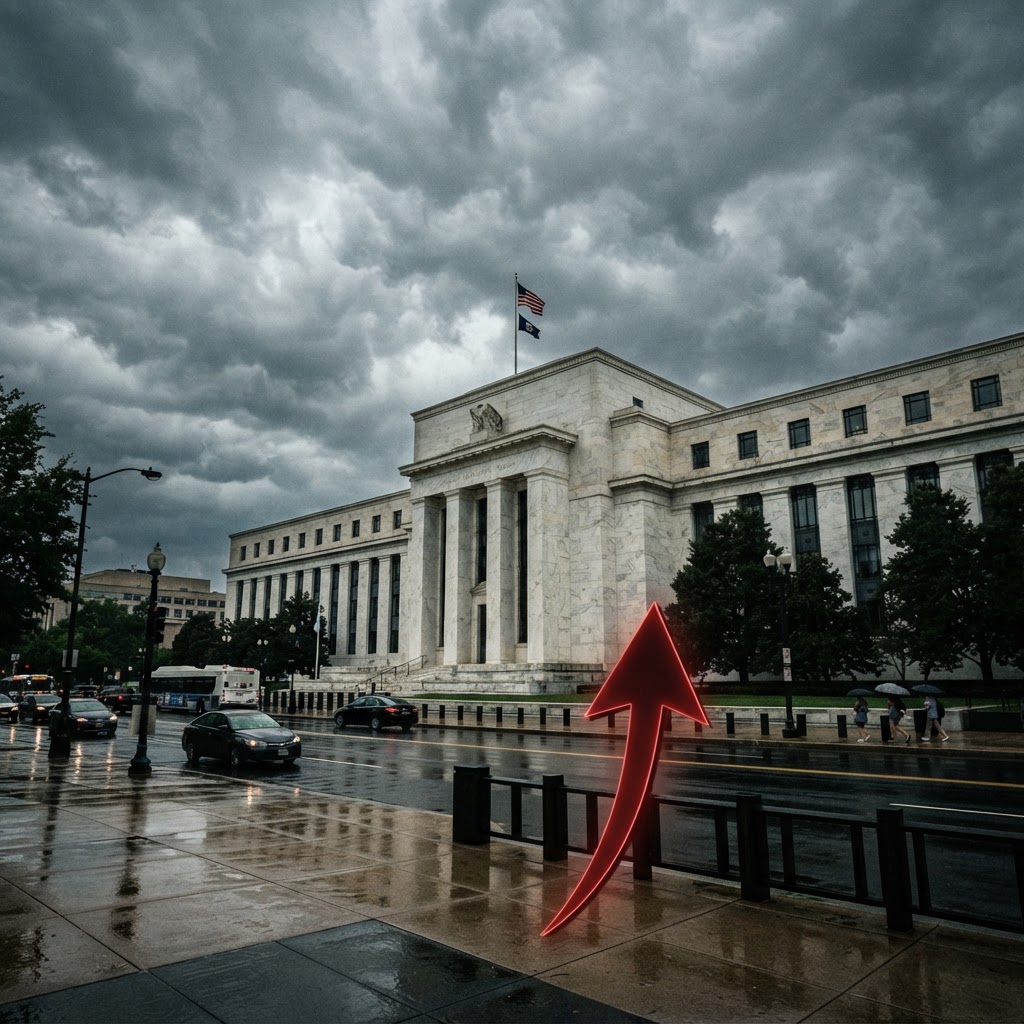
On September 16, 2026, the Federal Open Market Committee voted unanimously to raise the target range for the federal funds rate by a quarter percentage point, bringing it to 3.75% to 4%. It was the first rate increase since the aggressive hiking cycle that defined 2023, and it signals that the central bank remains firmly committed to wresting inflation back to its 2% long-run target. For commercial real estate participants, from multifamily investors to owner-occupiers of retail and industrial buildings, the decision carries weight that extends well beyond the headline number.
The Macro Picture: Why the Fed Moved Now
Fed Chair Kevin Warsh made clear in his post-decision press conference that inflation remains "still too high" to tolerate a pause. All 12 voting members of the FOMC supported the increase, and the updated Summary of Economic Projections points to one additional hike before year-end, with the median dot plotting a terminal rate of approximately 4.1%. The message is unambiguous: the central bank is prepared to keep policy restrictive until it sees sustained, convincing evidence that price pressures are cooling.
According to the FOMC statement, the Committee decided to raise the target range "in support of its goals of maximum employment and inflation at the rate of 2 percent over the longer run."
For the broader economy, this matters because higher short-term rates ripple through virtually every borrowing market. Treasury yields, corporate bond spreads, and mortgage benchmarks all adjust in response. The 10-year Treasury, which serves as the pricing foundation for most long-term commercial mortgages, had already been climbing in anticipation of the move. When the benchmark rises, the cost of capital rises with it, and every participant in the commercial real estate ecosystem feels the effect.
Income-Producing Multifamily: DSCR Pressure and Refinance Risk
Multifamily properties have been among the most resilient commercial asset classes through the post-pandemic cycle, but a fresh rate increase tightens the screws on cash-flow underwriting. Lenders evaluate multifamily loans primarily through the Debt Service Coverage Ratio, which measures whether a property's net operating income can cover its mortgage payments. When interest rates rise, debt service costs climb, and the same pool of NOI must stretch further to satisfy the lender's minimum DSCR threshold, typically 1.25x or higher for agency and conventional loans.
Consider a 100-unit apartment building generating $400,000 in annual NOI. At a 5.5% interest rate, the annual debt service on a $4 million loan might run approximately $273,000, producing a healthy DSCR of 1.47. If the rate on a new loan or a refinance jumps to 6.5%, that same debt service rises to roughly $305,000, and the DSCR falls to 1.31. At 7%, the ratio dips toward 1.27, dangerously close to the lender's floor. The practical consequence is that borrowers must either accept smaller loan proceeds, bring more equity to the table, or demonstrate rent growth that offsets the higher carry.
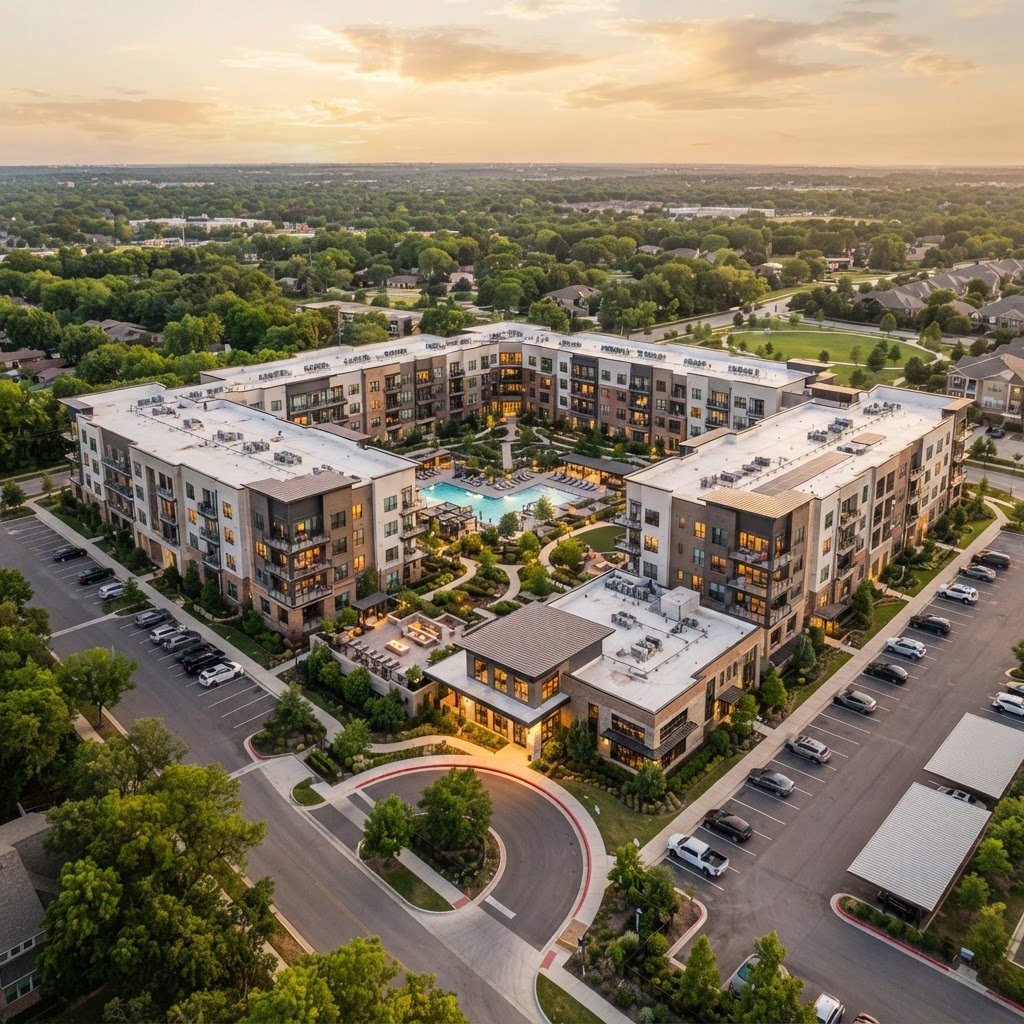
For investors with bridge or floating-rate loans maturing in the coming quarters, the timing could not be more consequential. Many of those loans were originated during the low-rate window of 2021 and early 2022, when underwriting assumed a permanent cost of capital below 4%. Refinancing into a market where conventional multifamily rates now sit in the 6.5% to 7.5% range, depending on loan type and sponsorship strength, can erase years of equity buildup. Brokers working with multifamily clients should be proactive: run refinance scenarios now, identify properties where NOI growth can absorb the rate shock, and explore government-backed programs like Fannie Mae, Freddie Mac, and FHA that may offer more favorable terms than conventional lenders.
Commercial Investment Properties: Cap Rates and Valuation Reset
For broader commercial investment properties, including office, retail, and industrial assets, the rate hike intensifies a valuation reset that has been underway for several years. The fundamental relationship is straightforward: when the risk-free rate and credit spreads rise, the cap rates that buyers demand on income-producing property rise as well. Higher cap rates mean lower valuations for the same stream of rental income.
Office properties remain the most challenged segment. With remote and hybrid work patterns persistently eroding occupancy in many markets, and now rising financing costs compounding the pressure, office valuations in secondary and tertiary markets face a difficult path. Well-located, Class A office buildings in primary markets with strong tenant credit and long weighted average lease terms continue to attract capital, but even those assets are repricing. Retail and industrial properties have proven more resilient, with industrial logistics assets in particular continuing to benefit from e-commerce demand, but the rising rate environment means buyers are underwriting more conservatively and sellers who purchased at 2021 cap rates may need to accept that the market has moved.
Higher cap rates mean lower valuations for the same stream of rental income. Investors who understand this dynamic can identify mispriced assets and structure acquisitions that perform even in a tightening cycle.
For brokers, the current environment rewards those who can help clients bridge the bid-ask gap. Sellers anchored to yesterday's valuations and buyers underwriting to today's financing costs often sit on opposite sides of a wide spread. Creative deal structures, including seller financing, assumable loans, and mezzanine debt, can help close transactions that would otherwise stall. The investors who succeed in this cycle are those who focus on assets where NOI growth can outpace the rate of cap rate expansion, either through lease-up, renovation, or operational improvements.
Owner-Occupied Commercial Properties: Business Borrowing Costs Rise
Owner-occupiers face a different set of pressures. When a business owner purchases or refinances the building they operate from, the loan is underwritten on both the real estate and the operating business. A rising rate environment increases the cost of the mortgage, but it also raises the cost of working capital, equipment financing, and other business credit lines that many owner-occupiers rely on to fund operations.
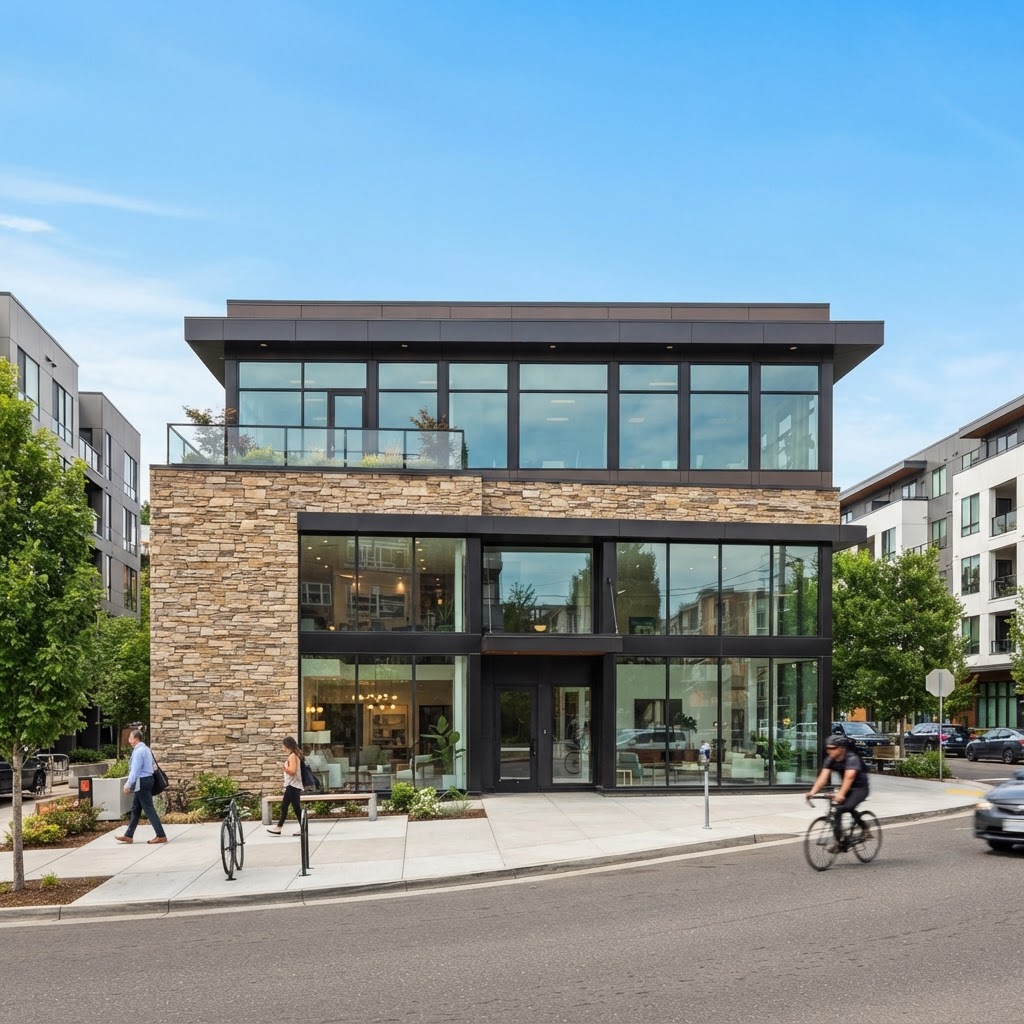
For an owner-occupier considering a purchase, the math is straightforward but unforgiving. A $1.5 million owner-occupied loan at 6% carries an annual debt service of roughly $108,000. At 7%, that figure jumps to approximately $120,000, a difference of $12,000 per year that must come from business cash flow. SBA 7(a) and 504 loans, which remain among the most attractive options for owner-occupied commercial real estate, offer long-term fixed rates and as little as 10% down, but those rates are also influenced by the broader interest rate environment and will adjust upward in response to the Fed's move.
Existing owner-occupiers with adjustable-rate mortgages or loans approaching maturity should evaluate their refinance options immediately. Locking in a fixed rate before the anticipated additional hike later this year can protect cash flow and provide certainty for business planning. Business owners should also review their overall capital structure, including lines of credit and equipment loans, to understand their total exposure to floating-rate instruments.
What Brokers, Investors, and Owners Should Do Now
The Fed's September decision is a reminder that the cost of capital is not static. For real estate brokers, the imperative is to help clients understand how financing costs affect deal economics and to connect them with lenders who can structure loans that work in the current environment. For investors, the focus should be on assets where income growth can absorb higher debt service and on financing structures that provide rate protection. For owner-occupiers, the priority is to review existing debt, evaluate refinance opportunities, and ensure that business cash flow can sustain higher borrowing costs.
Looking ahead, the FOMC's projection of one more hike before year-end means that the window to act at current rates may be narrowing. Every commercial real estate participant should be running scenarios, stress-testing assumptions, and engaging with lending professionals who understand how to navigate a tightening cycle. The opportunities in this market are real, but they belong to those who plan deliberately and move with informed urgency.