

The Pacific Northwest has long captured the attention of commercial real estate investors, lenders, and business owners seeking opportunity in one of the most economically diverse regions in the United States. From Seattle's technology-driven office and industrial corridors to Portland's evolving mixed-use landscape, and the fast-growing secondary markets tucked between mountain ranges and coastlines, the region presents a compelling mix of risk and reward heading into 2025. Understanding the forces shaping these markets is essential for any investor or borrower looking to deploy capital wisely in the months ahead.
Seattle: Tech Resilience and a Maturing Commercial Market
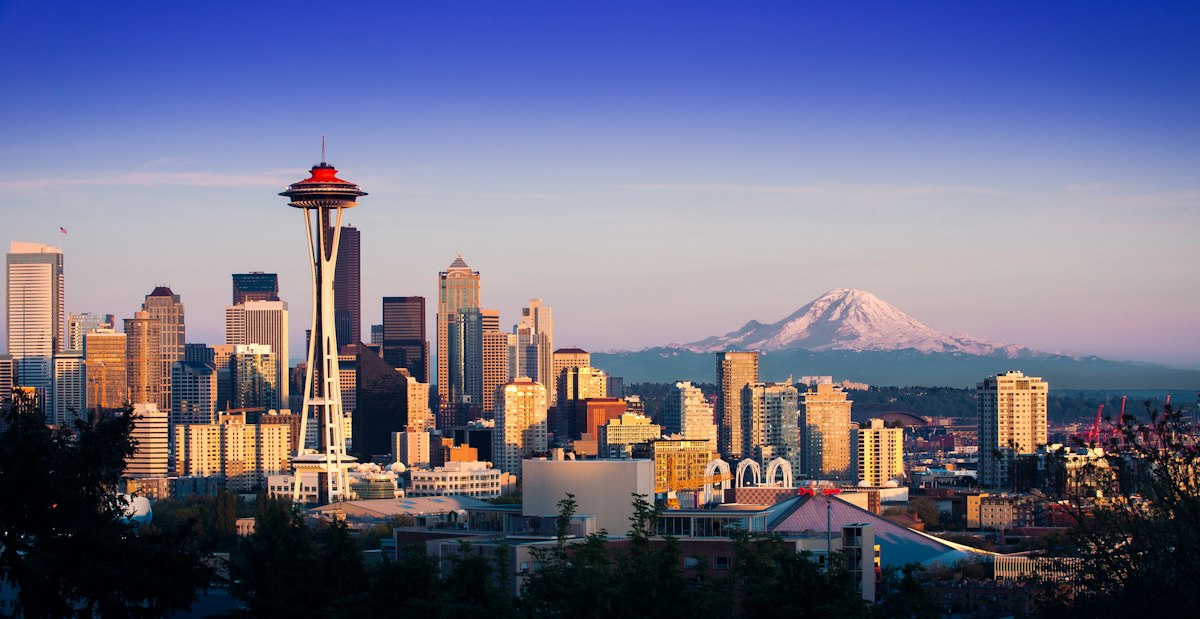
Seattle's commercial real estate market has spent the past two years recalibrating after the seismic shifts brought on by hybrid work adoption and the contraction of several major technology employers. Despite headline-grabbing office vacancy increases, the broader picture is more nuanced. As of mid-2025, Seattle's overall office vacancy rate sits near 22 percent, according to CBRE's Pacific Northwest market reports, reflecting a bifurcated market where Class A trophy properties in South Lake Union and Bellevue continue to attract long-term leases while older Class B and C inventory struggles to find tenants.
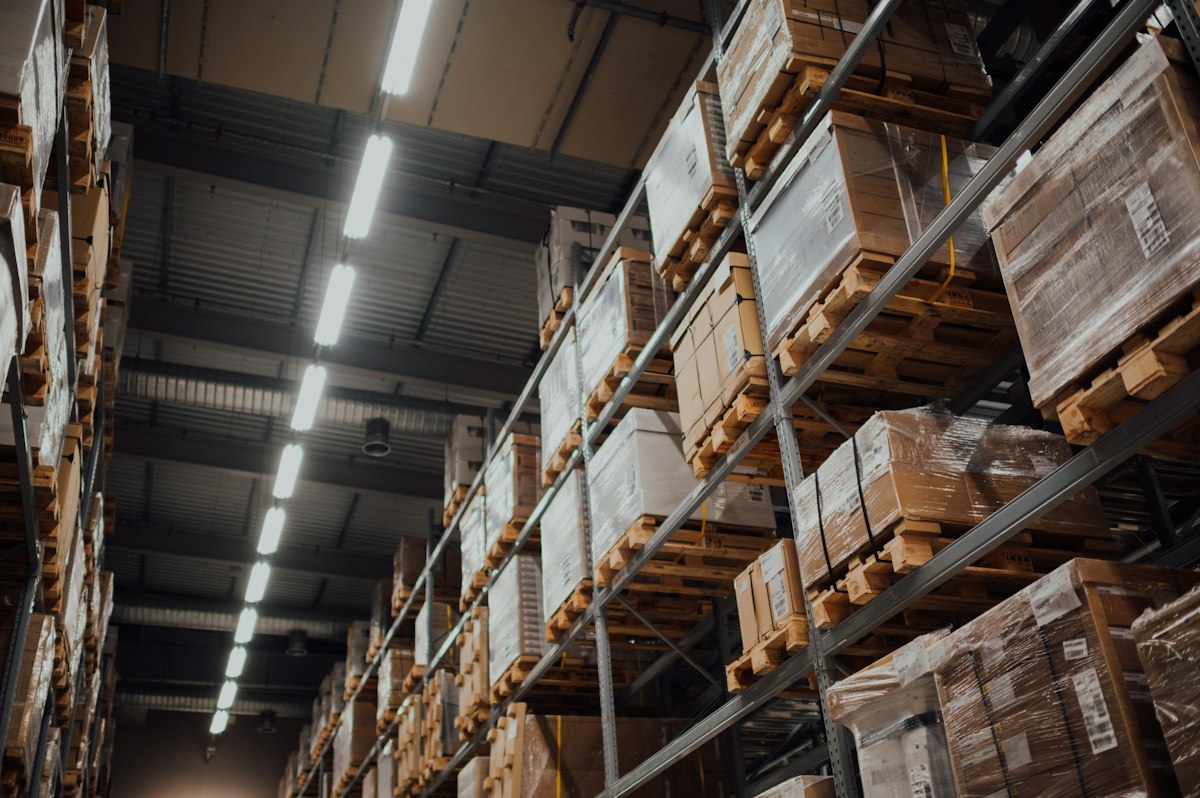
Industrial and logistics properties, however, tell a different story entirely. The Port of Seattle and the broader Puget Sound industrial corridor have maintained sub-5 percent vacancy rates through 2024 and into 2025, driven by sustained e-commerce demand, cold-storage expansion, and life sciences distribution. Multifamily investment remains robust as well, with King County's population growth continuing to outpace new housing supply. Investors who understand which asset classes are thriving, versus those facing structural headwinds, are finding Seattle to be a market full of selective opportunity rather than uniform decline.
Portland: Navigating Transition Toward Renewed Investment
Portland's commercial real estate market has faced well-documented challenges over the past several years, including elevated downtown retail vacancy, shifting population patterns, and a slower-than-anticipated post-pandemic recovery in the urban core. However, the narrative is beginning to shift in measurable ways. The city's central business district has seen increased conversion activity, with several office-to-residential adaptive reuse projects breaking ground in 2024 and 2025. These conversions are helping to reduce excess office supply while simultaneously adding housing units to a market that remains undersupplied at the residential level.
"Portland's industrial market recorded a net absorption of over 1.2 million square feet in 2024, signaling that the region's logistics and manufacturing sectors are quietly driving one of the Pacific Northwest's most active industrial pipelines.", Colliers Pacific Northwest Market Report, Q4 2024
Outside the downtown core, Portland's suburban submarkets including Beaverton, Hillsboro, and the I-205 corridor are attracting meaningful capital. The Intel campus in Hillsboro has anchored a technology and semiconductor manufacturing ecosystem that supports demand for flex, R&D, and industrial space. Retail strip centers anchored by grocery and essential services continue to perform well in suburban Portland, offering investors stable cash flow profiles that contrast sharply with the uncertainty surrounding larger enclosed retail formats. For borrowers seeking commercial financing in the Portland metro, lenders are increasingly focused on location, tenancy quality, and asset class fundamentals rather than blanket metro-level sentiment.
Emerging Markets: Spokane, Bend, and the Boise Corridor
While Seattle and Portland capture most of the regional headlines, some of the most compelling commercial real estate opportunities in the Pacific Northwest are unfolding in secondary and tertiary markets. Investors and lenders who are paying attention to Spokane, Washington; Bend, Oregon; and the broader Boise, Idaho corridor are finding favorable cap rates, lower acquisition costs, and improving fundamentals driven by population migration and infrastructure investment.
Spokane has emerged as a genuine contender for industrial and multifamily investment, with a central location on the I-90 corridor making it an attractive distribution hub connecting Seattle to the Midwest. The city's population grew by an estimated 8 percent between 2020 and 2024, and multifamily rents have risen accordingly, creating a favorable environment for value-add apartment acquisitions. Bend, while smaller in scale, has attracted remote-worker migration and hospitality investment, with short-term rental and boutique hospitality assets seeing increased transaction volume through 2024. The Boise metro, technically in Idaho but deeply tied to Pacific Northwest economic flows, continues to rank among the top 15 fastest-growing commercial real estate markets in the nation, according to the National Association of Realtors' 2025 Commercial Market Outlook.
Key characteristics that make these emerging markets attractive to commercial real estate investors include:
- Cap rates averaging 50 to 100 basis points higher than comparable Seattle or Portland assets, improving initial yield profiles
- Lower land and construction costs enabling ground-up development feasibility in submarkets where larger metros have priced out new supply
- Population growth driven by in-migration from California, the Bay Area, and Puget Sound metros, supporting retail and multifamily demand
- Expanding logistics networks tied to e-commerce fulfillment, benefiting industrial and flex-space owners
- Less institutional competition, creating acquisition opportunities for private investors and regional operators

Financing Pacific Northwest Commercial Real Estate in 2025
Access to capital remains a defining factor in whether investors can capitalize on the opportunities described above. The 2024 and 2025 lending environment has been defined by tighter underwriting standards, elevated base rates relative to the pre-2022 era, and lender selectivity based on asset class and market location. That said, CMBS execution has improved meaningfully in 2025, debt service coverage ratio requirements have stabilized across most lender categories, and bridge-to-permanent loan structures are again widely available for value-add and transitional assets throughout the Pacific Northwest.
Borrowers pursuing acquisitions or refinancing in Seattle, Portland, or the emerging secondary markets should approach lenders with detailed operating histories, conservative rent roll assumptions, and clear business plans that account for the specific supply and demand dynamics of their submarket. Industrial assets in Puget Sound, suburban multifamily in the Portland metro, and mixed-use properties in Spokane or Boise are all receiving competitive financing terms from well-prepared borrowers working with experienced commercial mortgage brokers who understand regional lender appetites.
Looking ahead, the Pacific Northwest commercial real estate landscape is poised for a period of selective recovery and growth. As interest rate normalization continues, transaction volume is expected to increase across all major asset classes, and investors who have positioned themselves in high-demand corridors, whether in Seattle's industrial submarkets, Portland's adaptive reuse opportunities, or the expanding secondary markets of the interior Northwest, stand to benefit from the region's enduring economic fundamentals and long-term demographic momentum. The window for acquiring well-priced assets before broader market recovery fully takes hold may be narrower than many investors anticipate.