


In a commercial real estate landscape shaped by rising interest rate adjustments, shifting tenant demand, and evolving supply chains, one asset class has consistently risen above the noise: industrial real estate. Warehouse and distribution properties, in particular, have demonstrated a level of resilience and growth that has left retail, office, and even multifamily assets trailing behind. For investors, business owners, and lending professionals evaluating where capital should flow in 2026, the industrial sector presents a compelling, data-backed case.
The Structural Tailwinds Driving Industrial Demand
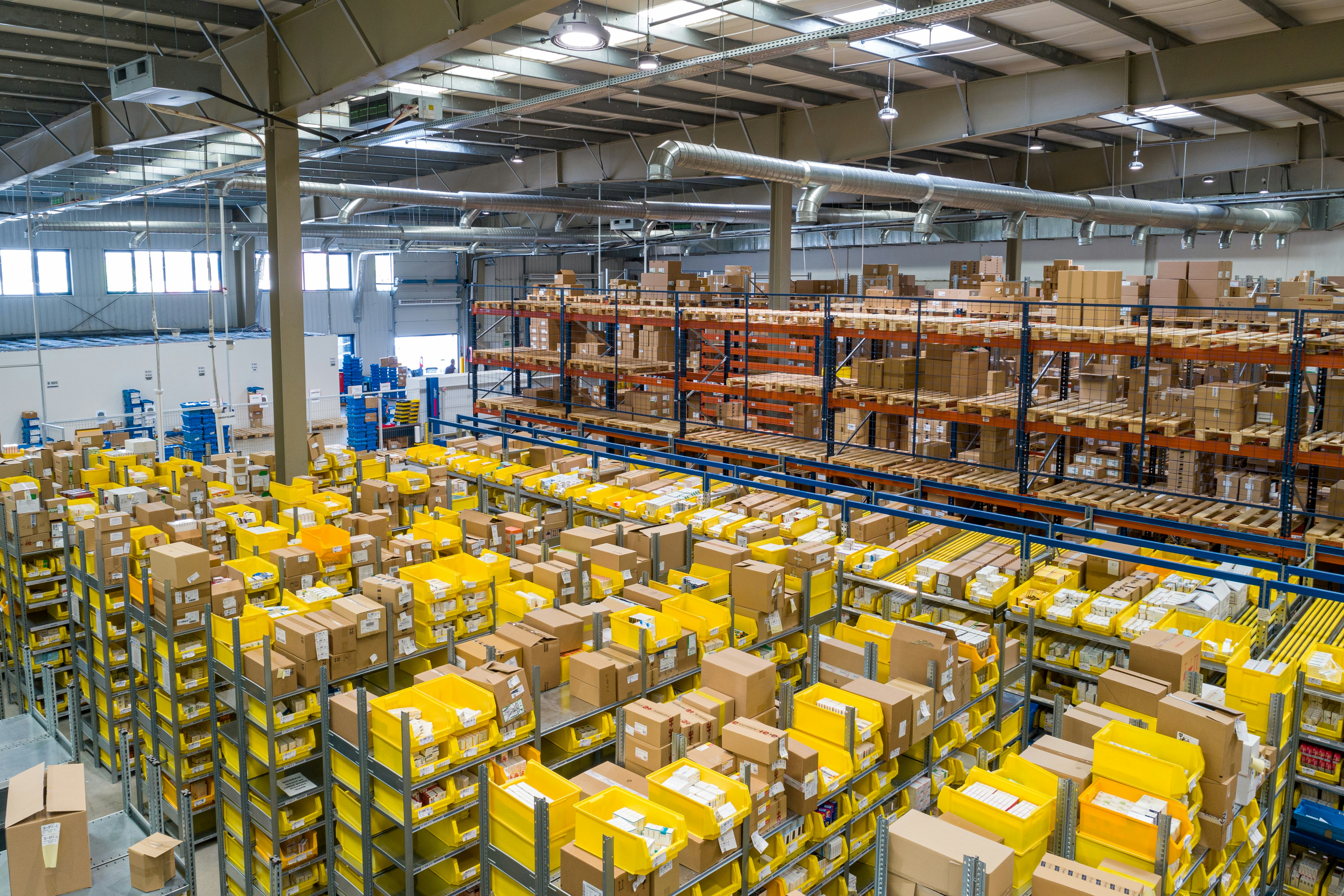
Industrial real estate does not benefit from a single trend. Instead, it sits at the intersection of several powerful, structural shifts that show no signs of reversing. E-commerce fulfillment, last-mile delivery infrastructure, onshoring of domestic manufacturing, and cold storage expansion have all converged to create sustained, long-term demand for industrial space across the country.
According to CBRE's 2026 North American Industrial Report, national industrial vacancy rates remain historically low at approximately 5.8 percent, despite significant new construction completions over the past two years. Net absorption has outpaced new supply in 17 of the top 25 industrial markets, underscoring just how deep tenant demand runs. Rent growth in core logistics corridors, including the Inland Empire, Chicago, Dallas, and New Jersey, has averaged between 6 and 11 percent annually since 2022, far exceeding rent growth in any other major commercial property type.
As of mid-2026, industrial assets are posting average cap rate compression of 25 to 40 basis points compared to other commercial sectors, signaling continued investor confidence and pricing strength.
Beyond e-commerce, the onshoring trend has added a second engine of demand. Following years of global supply chain disruptions, domestic manufacturers and logistics providers are building out domestic distribution networks at an accelerated pace. This has boosted demand not just in coastal gateway markets, but also in Sun Belt cities and secondary Midwest markets that offer affordable land and strong transportation infrastructure.
How Industrial Compares to Other Asset Classes in 2026
To appreciate industrial's dominance, it helps to view it in direct comparison with other major commercial property types. Office continues to navigate a prolonged reset, with national vacancy rates hovering near 19 percent in many metro areas, as hybrid work policies reduce space requirements. Retail, while stabilizing in necessity-based and experiential formats, still struggles with structural headwinds in older enclosed malls and power centers. Multifamily remains fundamentally sound, yet rent growth has moderated significantly due to elevated supply deliveries in 2024 and 2025 across Sun Belt markets.
Industrial, by contrast, has maintained the following performance advantages:
- Lower vacancy rates than all other major commercial property types nationally
- Higher year-over-year rent growth, particularly in Class A logistics facilities
- Longer average lease terms, typically ranging from five to fifteen years, providing income stability
- Fewer tenant improvement requirements, resulting in lower landlord capital expenditures
- Strong credit tenancy, including publicly traded logistics companies, third-party logistics providers, and national retailers operating distribution networks
These characteristics make industrial assets not only strong performers during growth cycles, but also defensive holdings during periods of economic uncertainty. When tenants sign long-term leases for mission-critical warehouse space, those cash flows are considerably more durable than those tied to discretionary retail or flexible office arrangements.
Financing Industrial Real Estate: What Lenders and Borrowers Need to Know
The financing environment for industrial real estate in 2026 reflects its favored status among investors and lenders alike. Conventional commercial mortgage lenders, CMBS platforms, life insurance companies, and debt funds are all actively competing for well-located industrial deals. This competitive lending environment translates into favorable terms for qualified borrowers, including aggressive loan-to-value ratios, attractive fixed-rate options, and flexible prepayment structures.
For acquisition financing, lenders are generally comfortable underwriting industrial assets at loan-to-value ratios of 65 to 75 percent, with strong sponsorship and in-place tenancy often pushing toward the higher end of that range. Refinance opportunities have been particularly attractive for owners who acquired assets in 2020 through 2022 and have seen significant appreciation in net operating income due to rent escalations embedded in their leases.

Construction financing for build-to-suit and speculative industrial development remains active, particularly for projects in supply-constrained markets. Lenders evaluating ground-up industrial deals are scrutinizing land basis, market vacancy, and pre-leasing activity more carefully than in prior years, but strong sponsors with demonstrated track records continue to access construction capital at competitive spreads. SBA 504 loans have also emerged as a popular financing vehicle for owner-users acquiring industrial facilities for their own operations, offering below-market fixed rates and low down payment requirements.
Where to Find Opportunity: Markets and Asset Types Worth Watching
Not all industrial assets are created equal, and location remains the primary driver of long-term performance. In 2026, the most active and competitive industrial investment markets include:
- The Inland Empire and Phoenix, anchored by proximity to West Coast ports and large consumer bases
- Dallas-Fort Worth and Houston, benefiting from central logistics positioning and population growth
- Columbus, Indianapolis, and Kansas City, which serve as critical cross-country distribution nodes
- Savannah and Charleston, reflecting the continued growth of East Coast port infrastructure
- New Jersey and Pennsylvania's Lehigh Valley, driven by proximity to the New York metro consumer market
Within those markets, Class A bulk distribution facilities above 200,000 square feet command the strongest fundamentals, but mid-bay and light industrial product in infill locations is generating exceptional returns due to limited land availability and strong small-business tenant demand. Cold storage and temperature-controlled facilities represent a specialized but high-growth niche, with grocery delivery and pharmaceutical logistics companies driving lease activity in markets nationwide.
Looking ahead, the industrial sector is positioned to sustain its outperformance through the remainder of 2026 and into 2027. Infrastructure investment, continued e-commerce penetration into grocery and healthcare categories, and the maturation of robotics-enabled fulfillment centers will each layer additional demand onto an already supply-constrained market. For investors willing to underwrite carefully and work with experienced financing partners, industrial real estate represents one of the most compelling risk-adjusted opportunities available in the current commercial real estate environment.