

For business owners and commercial real estate investors seeking affordable, long-term financing, the U.S. Small Business Administration offers two flagship loan programs: the SBA 7(a) and the SBA 504. Both carry the backing of the federal government, both offer competitive terms that private-market loans often cannot match, and both are widely available through certified lenders across the country. Yet despite their surface-level similarities, these two programs are structured quite differently, serve distinct financing purposes, and come with their own sets of eligibility rules, cost structures, and strategic advantages. Understanding those differences is not just helpful; it is essential to making a smart capital decision for your business.
The SBA 7(a) Loan: Flexibility as Its Core Strength
The SBA 7(a) is the SBA's most popular and versatile loan program. In fiscal year 2024, the SBA approved more than 70,000 7(a) loans totaling over $31 billion in guaranteed lending volume, underscoring how widely adopted this program has become among American small businesses. The 7(a) can be used for a remarkably broad range of purposes, including working capital, equipment purchases, business acquisitions, debt refinancing, leasehold improvements, and the purchase of owner-occupied commercial real estate.
Loan amounts under the 7(a) program can reach up to $5 million, with the SBA guaranteeing up to 85 percent of loans under $150,000 and 75 percent on larger amounts. Interest rates are variable in most cases, tied to the Prime Rate plus a lender spread, though fixed-rate options are available for certain loan structures. Repayment terms extend up to 10 years for working capital and equipment, and up to 25 years when real estate is the primary collateral. This flexibility makes the 7(a) an attractive solution for businesses that need capital across multiple categories rather than for a single, well-defined asset purchase.

One important consideration with the SBA 7(a) is the guarantee fee, which is charged as a percentage of the guaranteed portion of the loan. For loans above $1 million in fiscal year 2025, these fees can range from 2.77 percent to 3.5 percent. Borrowers should factor these upfront costs into their total cost of capital analysis when comparing the 7(a) against alternative financing options.
The SBA 504 Loan: Purpose-Built for Fixed Assets and Real Estate
Where the 7(a) is defined by its flexibility, the SBA 504 is defined by its precision. The 504 program is specifically designed to finance major fixed assets, primarily owner-occupied commercial real estate and long-life equipment. It is structured as a partnership between a private lender (typically a bank or credit union), a Certified Development Company (CDC), and the borrower. This three-party structure is one of the program's most distinctive characteristics.
A typical SBA 504 deal is structured as follows:
- 50 percent of the project cost is financed by a conventional first-lien lender (a bank or credit union).
- 40 percent is financed through a CDC via an SBA-guaranteed debenture, issued in amounts up to $5.5 million (or $5.5 million per project for manufacturers and energy-efficiency projects).
- 10 percent is contributed as a down payment by the borrower, though startups or single-purpose properties may require up to 20 percent down.
The 504's most compelling feature is its fixed, below-market interest rate on the CDC portion of the loan, which is tied to U.S. Treasury rates. As of early 2025, effective rates on the 20-year CDC debenture have hovered in the 6 percent range, offering borrowers meaningful savings compared to conventional commercial mortgage rates. Repayment terms on the CDC portion are fixed at either 10, 20, or 25 years, delivering long-term payment predictability that supports stable business planning.
"In fiscal year 2024, the SBA 504 program supported more than $10 billion in total project financing, helping thousands of small businesses acquire real estate and equipment at below-market fixed rates."
Key Differences at a Glance: How to Choose Between the Two
Selecting between the SBA 7(a) and the SBA 504 ultimately comes down to what you are financing, how much flexibility you need, and how you weight rate certainty against versatility. Consider the following points of comparison when evaluating your options:
- Eligible use of funds: The 7(a) covers nearly any legitimate business purpose; the 504 is restricted to fixed assets such as real estate and heavy equipment.
- Loan structure: The 7(a) is a single loan from one lender; the 504 involves a layered structure with a conventional lender and a CDC.
- Interest rate type: Most 7(a) loans carry variable rates; 504 CDC loans carry fixed rates for the life of the term.
- Maximum loan size: Both programs cap SBA exposure at $5 million, but 504 projects routinely exceed $10 million in total project cost when the conventional first-mortgage portion is included.
- Down payment requirements: The 7(a) may require as little as 10 percent for real estate; the 504 similarly requires 10 percent for established businesses, but the source and structure of those funds differ.
- Collateral requirements: 7(a) lenders are required to take all available collateral; 504 collateral is typically the acquired asset itself.
- Closing timeline: 7(a) loans can often close faster due to their simpler single-lender structure; 504 transactions involve CDC coordination and may take longer.
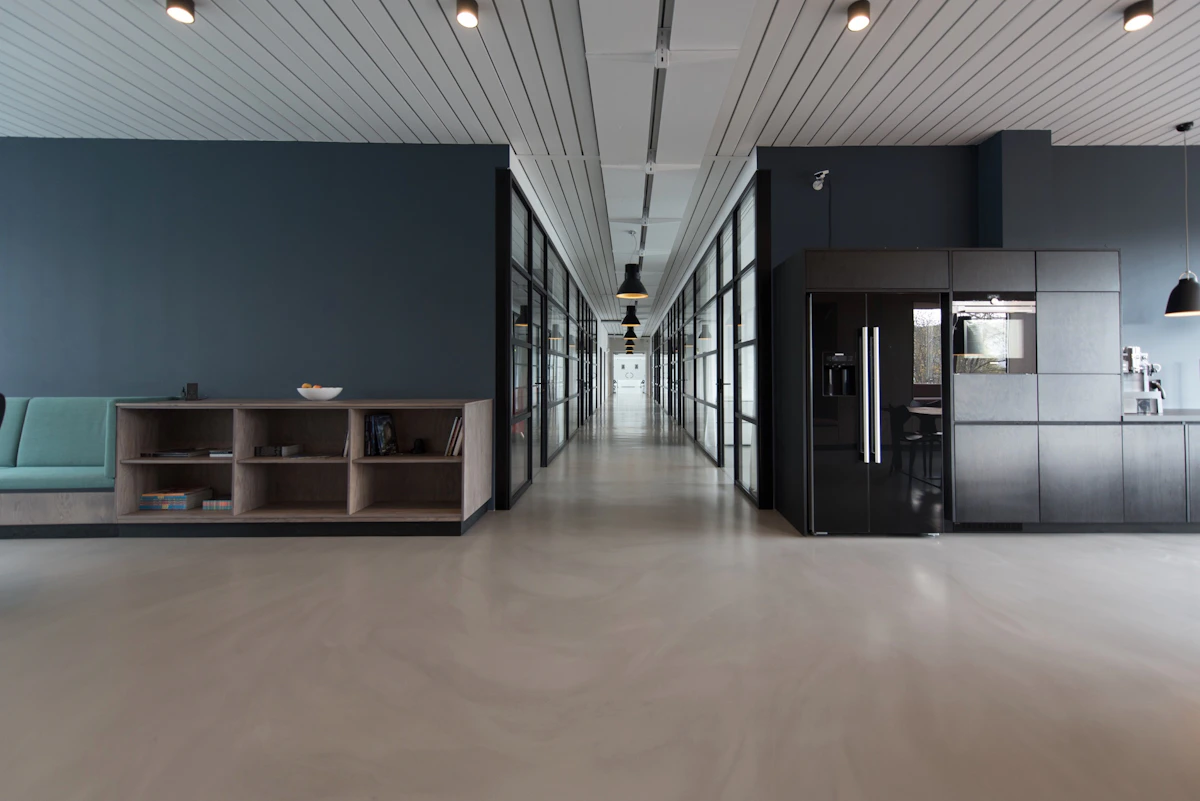
As a practical example, consider a medical practice looking to purchase a 6,000-square-foot office building for $1.8 million while also needing $200,000 for equipment and working capital. In this scenario, a 504 loan might handle the real estate purchase with optimal fixed-rate terms, while a separate 7(a) loan or conventional line of credit addresses the remaining capital needs. Many experienced commercial borrowers and their brokers use both programs in tandem to maximize the benefits of each.
Eligibility, Occupancy, and Other Critical Considerations
Both programs share a common baseline of SBA eligibility requirements. Your business must operate for profit, qualify as a small business under SBA size standards (generally fewer than 500 employees for most industries, though revenue-based standards apply in others), be based in the United States, and demonstrate a reasonable ability to repay. Personal credit scores, business cash flow, and management experience all factor into lender underwriting decisions alongside the SBA's guaranty guidelines.
For the SBA 504 specifically, the owner-occupancy requirement is paramount. The business must occupy at least 51 percent of an existing building or 60 percent of a newly constructed property. This makes the 504 unsuitable for investment properties or multi-tenant buildings where the borrower's business is a minority occupant. The 7(a) program is somewhat more flexible on occupancy, though lenders will still evaluate the real estate's role as collateral and income support carefully.
Both programs also require that the business not be engaged in certain ineligible activities, including passive real estate investment, lending, gambling, or certain speculative ventures. Working with an experienced commercial mortgage broker can help you quickly assess whether your business qualifies and which program aligns most cleanly with your project profile.
Looking ahead, both the SBA 7(a) and SBA 504 programs are expected to remain critical pillars of small business and commercial real estate financing through 2026 and beyond. With conventional lenders maintaining tighter credit standards in an elevated rate environment and demand for owner-occupied commercial real estate remaining strong, government-backed SBA loans offer a rare combination of accessibility, competitive pricing, and long-term stability that the private market continues to struggle to replicate. For business owners who act with preparation and the right advisory team, these programs represent some of the most powerful financing tools available in today's commercial lending landscape.